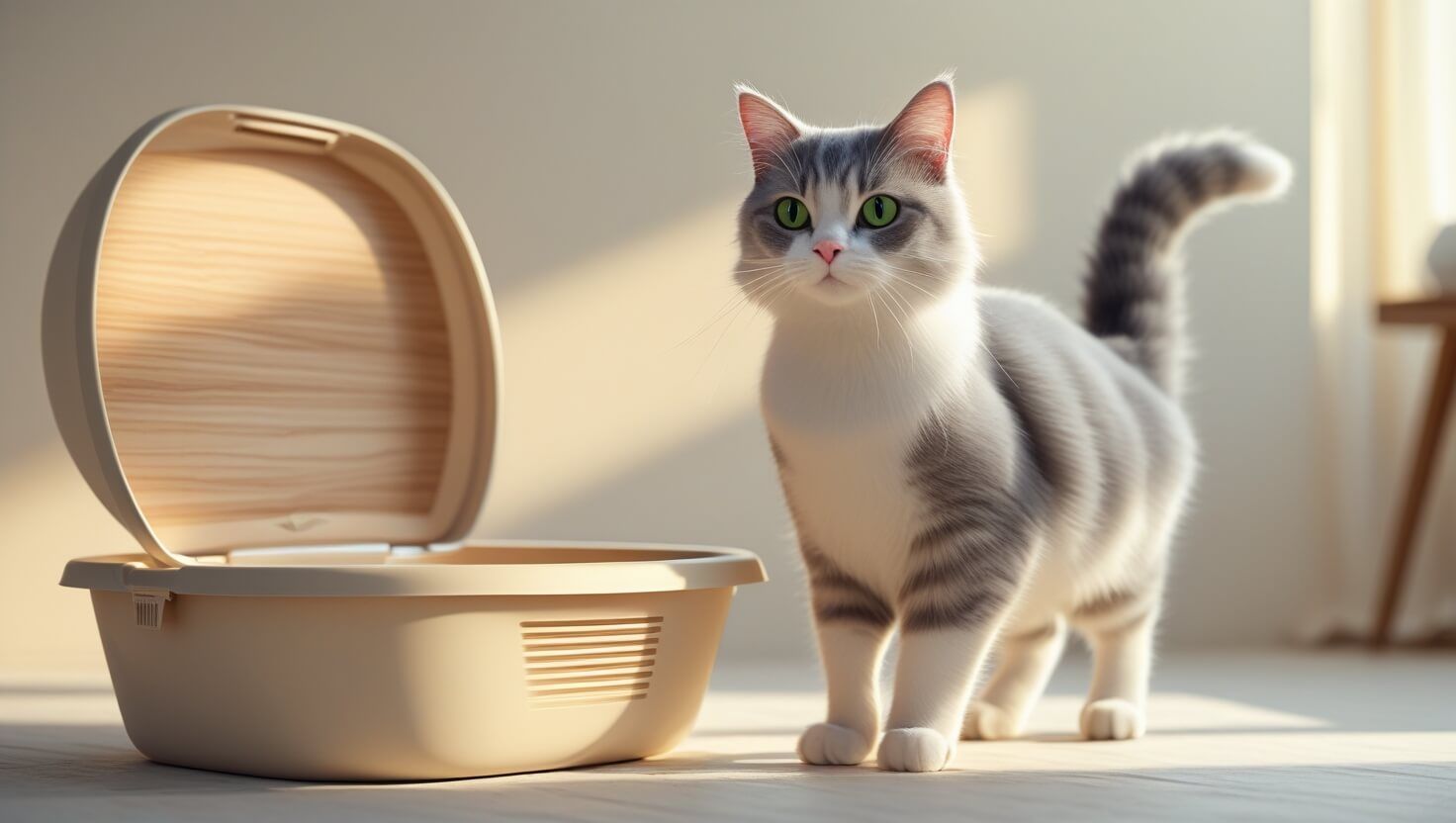
Ever walked into a room and found a surprise from your cat that wasn’t in the litter box? Yeah, it’s not fun. If your cat suddenly decides the litter box is no longer their thing, it’s a sign something’s up. Figuring out the cause can be tricky, but it’s important to get to the bottom of it. Medical issues, stress, or even just a dislike for the litter box can all be culprits. Let’s dive into why your feline friend might be ditching the box and what you can do about it.
Key Takeaways
- Cats might pee outside the box due to medical issues like infections or diabetes.
- Stress from changes at home or new pets can lead to litter box avoidance.
- Cats can be picky about litter type, box size, and location.
- Regular vet check-ups can help catch health issues early.
- Proper cleanup after accidents is crucial to prevent repeat behavior.
Common Medical Reasons for Cats Peeing Outside the Litter Box
Urinary Tract Infections and Bladder Stones
Cats peeing outside their litter box often signal something’s up with their health. One major cause could be urinary tract infections (UTIs) or bladder stones. These conditions can make peeing painful and urgent for your kitty. Imagine trying to hold it in when it hurts every time! Your cat might avoid the litter box because they associate it with pain. Urinary issues in cats need a vet’s attention to get a proper diagnosis and treatment.
Diabetes and Kidney Disease
Diabetes and kidney disease are other culprits for why do cats pee outside the litter box. Cats with these conditions may drink more water, leading to frequent urination. It’s a cycle: they drink, they pee, and sometimes they can’t make it to the box in time. A vet can help manage these diseases, often with medication and dietary changes, to get your cat feeling better.
Arthritis and Mobility Issues
As cats age, arthritis and mobility problems can make it tough for them to get to the litter box. If your cat struggles to climb or jump, the litter box might seem like a mountain. Consider a box with lower sides or placing it in an easy-to-reach spot. Arthritis can make your cat feel stiff and sore, so they might skip the box altogether if it’s too hard to reach. Keeping an eye on your cat’s mobility and making adjustments can help them stay litter-trained.
Behavioral Causes of Inappropriate Urination in Cats

Stress and Anxiety Triggers
Cats can be sensitive creatures, and changes in their environment might lead to stress or anxiety. This can result in them urinating outside the litter box. Common stressors include:
- New pets or family members entering the home
- Loud noises or disruptions, such as construction or frequent visitors
- Changes in the household routine
Cats often respond to stress by marking their territory, which might include urinating outside the litter box. Creating a calm and stable environment can help mitigate these behaviors.
Territorial Marking Behaviors
Cats are territorial animals. Sometimes, they might feel the need to mark their territory by urinating in specific areas. This behavior is more common in multi-cat households, where one cat might feel the need to assert dominance. Providing enough resources, like litter boxes and sleeping areas, can help reduce territorial disputes.
Changes in Household Dynamics
Changes in the household, such as moving to a new home or rearranging furniture, can unsettle a cat. These changes might make them feel insecure, leading to inappropriate urination. To help your cat adjust, try introducing changes gradually and providing familiar items, like their favorite blanket or toy, to comfort them.
Inappropriate urination due to behavioral causes can be challenging, but with patience and understanding, you can help your cat feel more at ease and reduce these incidents.
The Role of Litter Box Preferences in Cat Urination Issues
Litter Type and Texture Preferences
Cats can be incredibly picky about the type of litter they use. They might turn their noses up at certain textures or scents, leading them to find alternative spots to do their business. Choosing the right litter that suits your cat’s preferences is crucial. Some cats prefer fine, sand-like litter, while others might go for something more granular. Experimenting with unscented and scented varieties can also help you find the perfect match.
Litter Box Size and Accessibility
The size of the litter box can make a big difference. A box that’s too small might feel cramped, especially for larger cats. It’s important to select a box that allows your cat to move around comfortably. Additionally, consider the height of the box’s sides. Older cats or those with mobility issues might struggle with high sides, so a low-entry box can be beneficial.
Location and Privacy Concerns
Where you place the litter box is just as important as the box itself. Cats value their privacy, so a quiet and secluded spot is ideal. Avoid placing the box near loud appliances or in high-traffic areas. If your home has multiple levels, having a box on each floor can prevent accidents caused by your cat not wanting to navigate stairs just to use the bathroom. Providing a private, accessible location can significantly reduce instances of inappropriate urination.
Cats are creatures of habit, and any change in their litter box setup can lead to confusion and stress. It’s essential to pay attention to their preferences and adjust accordingly to ensure they feel comfortable and secure when using their litter box.
How Stress and Anxiety Affect Cat Litter Box Habits
Identifying Stressors in the Home
Cats are creatures of habit, and even slight changes in their environment can throw them off balance. Stress and anxiety are common culprits when you find your cat avoiding the litter box. Some common stressors include:
- Rearranging furniture or bringing in new pieces.
- Introducing new pets or family members.
- Loud noises like construction or frequent visitors.
When a cat is stressed, it might start peeing outside the litter box as a way to communicate its discomfort or to mark territory. Cats may lay in their litter boxes due to stress and anxiety, which can be a sign that they are feeling overwhelmed.
Managing Multi-Pet Households
In homes with multiple pets, tensions can run high. Cats might feel threatened by other animals, leading them to avoid the litter box. To help manage this:
- Ensure each cat has its own litter box, plus one extra.
- Place litter boxes in different areas to avoid territorial disputes.
- Monitor interactions and separate pets if necessary to prevent bullying.
Creating a Safe Space for Your Cat
Every cat needs a sanctuary—a quiet, safe place where they can retreat from the world. Set up a cozy area with their favorite toys, a comfy bed, and maybe even a scratching post. This space should be off-limits to other pets and humans, giving your cat a sense of security. When your cat feels safe and relaxed, they’re more likely to use the litter box consistently.
“Cats thrive on routine and stability. By understanding the triggers of stress and anxiety, you can create an environment that keeps your feline friend happy and healthy.”
Addressing Litter Box Aversion in Cats
Signs Your Cat Dislikes the Litter Box
Cats are pretty particular about their bathroom habits. If your feline friend is avoiding the litter box, you might notice them doing their business elsewhere. Look for signs like scratching around the box without using it, or even outright avoiding the area altogether. These behaviors can be a clear signal that your cat isn’t happy with their current setup.
Steps to Make the Litter Box More Appealing
Making the litter box more inviting can really help. Here are some steps you can take:
- Try a New Litter: Some cats are picky about the type of litter. Unscented clumping litter is often a hit.
- Change the Box: Sometimes, the box itself is the issue. A new box without a hood might be more appealing.
- Keep it Clean: Cats like a clean bathroom, just like us. Scoop daily to keep things fresh.
- Add More Boxes: If you have multiple cats, make sure there’s enough boxes to go around. The general rule is one box per cat, plus one extra.
- Relocate the Box: Place a new box near where your cat is currently going, then slowly move it back to the desired location over time.
When to Consult a Veterinarian
If you’ve tried everything and your cat still won’t use the litter box, it might be time to talk to a vet. They can help rule out any medical issues that could be causing the problem. Remember, inappropriate elimination in cats can sometimes be linked to health concerns, so it’s important to get a professional opinion.
Consistency and patience are key when dealing with litter box issues. Your cat’s comfort and health should always be a top priority.
Environmental Changes and Their Impact on Cat Behavior
New Pets or Family Members
When you bring a new pet or family member into the home, your cat might feel like its territory is being invaded. Cats are creatures of habit, and sudden changes can make them uneasy. New pets, especially, can introduce a lot of noise and chaos, which can be unsettling for your feline friend. If your cat starts avoiding the litter box, it might be trying to communicate its discomfort.
Home Renovations and Rearrangements
Renovating your home or even just rearranging furniture can throw your cat off balance. Cats rely heavily on their environment being consistent. A new couch or a different layout can make them feel like they’re in unfamiliar territory. If you’re planning changes, try to keep your cat’s space as stable as possible.
Routine Changes and Their Effects
A shift in your daily routine, like a new work schedule or frequent visitors, can impact your cat’s behavior. Cats thrive on routine, and any disruption can lead to stress. Stress, in turn, might cause them to urinate outside the litter box. Try to maintain consistency in feeding times and play sessions to help your cat feel secure.
Cats are sensitive creatures. Even small changes in their environment can have a big impact on their behavior. If your cat starts peeing outside the litter box, consider what might have changed in their world recently. Addressing these changes can help restore balance and reduce stress for your furry friend.
Solutions for Cats Peeing Outside the Litter Box
Medical Treatments and Interventions
When your cat starts peeing outside the litter box, it’s time to consider medical reasons first. A visit to the vet is crucial to rule out any underlying health issues like urinary tract infections or diabetes. Your vet might recommend medications or even dietary changes. Cats may urinate outside their litter box due to underlying medical issues, and addressing these can often get your kitty back to using the box. If your cat is diagnosed with a condition, following the vet’s treatment plan is essential.
Behavioral Modification Techniques
If medical issues are ruled out, it might be a behavior thing. Cats can be particular, and small changes can throw them off. Try these steps:
- Aversion Therapy: Make the spots where your cat is peeing less appealing. Use double-sided tape or aluminum foil in those areas.
- Attraction Therapy: Make the litter box more inviting. Place a new box near the problem area and gradually move it to a better spot.
- Consistency: Stick to a routine. Cats love predictability, so feeding and playtimes should be regular.
Environmental Adjustments
Sometimes, the environment is the issue. Cats are creatures of habit and even a minor change can be unsettling. Here’s what you can do:
- Litter Box Placement: Make sure the box is in a quiet, accessible place. If you’ve moved it recently, try moving it back.
- Cleanliness: Keep the box clean. Scoop daily and change the litter regularly.
- Multiple Boxes: If you have more than one cat, ensure there’s a box for each, plus one extra. This can prevent territorial disputes.
Remember, solving this issue can take time and patience. But once you find the right solution, both you and your cat will be much happier.
Understanding the Connection Between Health and Litter Box Use
How Illness Affects Urination Habits
Cats are pretty good at hiding when they’re not feeling well, but sometimes their litter box habits give them away. Urinary issues can be a big sign of underlying health problems. For instance, if your cat suddenly starts peeing outside the litter box, it might be dealing with conditions like bladder stones or urinary infections. These issues can cause pain or discomfort, making the litter box a place they want to avoid. It’s like us humans avoiding things that remind us of discomfort, right?
The Importance of Regular Vet Check-Ups
Regular visits to the vet aren’t just for when your cat seems sick. They’re crucial for catching potential health issues before they become major problems. During these check-ups, vets can spot changes in your cat’s health that might affect its litter box habits. It’s kind of like getting your car serviced before a long road trip—better safe than sorry.
Dietary Influences on Urinary Health
What your cat eats can have a big impact on its urinary health. Foods that are too high in certain minerals can lead to the formation of bladder stones or crystals. A balanced diet helps keep your cat’s urinary system working smoothly. Consider consulting your vet about the best diet plan for your kitty, especially if you’ve noticed any changes in its litter habits.
Preventing Future Incidents of Inappropriate Urination
Maintaining a Clean and Inviting Litter Box
Keeping your cat’s litter box clean is one of the simplest ways to prevent future accidents. Cats are naturally clean animals and may avoid a dirty litter box. Here are some tips:
- Scoop the litter box daily to remove waste.
- Change the litter regularly, at least once a week.
- Wash the litter box with mild soap and water periodically.
- Use a type of litter your cat prefers.
Monitoring Your Cat’s Health and Behavior
It’s crucial to keep an eye on your cat’s health and behavior. Changes in urination habits can be an early sign of health issues. Consider these steps:
- Schedule regular vet check-ups.
- Watch for changes in your cat’s behavior, such as increased thirst or urination.
- Note any signs of discomfort or pain when your cat uses the litter box.
Implementing Stress-Reduction Strategies
Stress can lead to inappropriate urination. Implementing stress-reduction strategies can make a big difference:
- Provide a quiet and safe space for your cat to relax.
- Maintain a consistent routine to help your cat feel secure.
- Use calming products like pheromone diffusers to reduce anxiety.
Remember, consistency and attention to your cat’s needs are key to preventing future incidents. By maintaining a clean litter box, monitoring health, and reducing stress, you can help your cat feel comfortable and content in their environment.
The Importance of Proper Cleanup After Accidents
Effective Cleaning Products and Techniques
When your cat decides to pee outside the litter box, it’s not just about the mess; it’s about preventing it from happening again. Thorough cleaning is key to avoiding repeat incidents. Start by blotting up as much of the urine as possible with a paper towel or cloth. Then, use a high-quality enzymatic cleaner to break down the odor-causing compounds. These cleaners are designed to eliminate the smell entirely, rather than just masking it. If the smell lingers, your cat might think it’s okay to use that spot again.
Preventing Repeat Offenses
Cats have a keen sense of smell and can be drawn back to a spot they’ve peed on before. To prevent this, ensure the area is completely odor-free. Consider using a blacklight to find any hidden spots you might have missed. Once you’ve treated the area, think about placing a deterrent there, like a piece of aluminum foil or double-sided tape, to discourage your cat from returning.
Training Your Cat to Use the Litter Box Again
After cleaning the accident site, it’s time to focus on retraining your cat. Make sure the litter box is in a quiet, accessible location, and that it’s kept clean. You might want to try different types of litter to see what your cat prefers. Some cats are picky about texture or scent, so experimenting can help solve the problem. If your cat continues to have accidents, it might be time to consult your vet to rule out medical issues.
Wrapping It Up
So, there you have it. If your cat’s been peeing outside the litter box, it’s not just a random act of rebellion. It’s their way of telling you something’s up. Whether it’s a health issue, a litter box problem, or stress, there’s always a reason. Start by checking with your vet to rule out any medical concerns. Then, take a good look at their litter box setup and any changes in their environment. Remember, your cat’s not doing this to annoy you; they’re trying to communicate. With a little patience and some detective work, you can get to the bottom of it and help your furry friend get back to their usual litter box habits. Good luck!
Frequently Asked Questions
Why is my cat suddenly not using the litter box?
If your cat stops using the litter box, it might signal a health problem or a change in their environment. It’s best to check with a vet to rule out any medical issues.
What health issues can cause a cat to pee outside the litter box?
Health problems like urinary tract infections, diabetes, or arthritis can make it hard for cats to use the litter box. A vet can help diagnose these issues.
Can stress make my cat pee outside the litter box?
Yes, stress from changes like moving or new pets can cause your cat to urinate outside the box. Reducing stressors can help your cat feel more comfortable.
How can I tell if my cat dislikes the litter box?
If your cat avoids the box, it might be too dirty, the wrong size, or in a bad location. Cats can be picky about their litter box conditions.
What should I do if my cat has an accident outside the litter box?
Clean the area thoroughly with an enzyme cleaner to remove odors and prevent your cat from returning to the spot.
Can changing the litter type affect my cat’s bathroom habits?
Yes, some cats prefer specific textures or scents. Switching litter types can lead to avoidance if your cat dislikes the new option.
How often should I clean my cat’s litter box?
Scoop the litter box daily and do a full clean weekly to keep it inviting for your cat.
Should I see a vet if my cat pees outside the litter box?
Yes, a vet visit is important to rule out any underlying health issues that could be causing this behavior.