
If you’re a cat owner, you may have wondered about the spraying behavior of your feline friend, especially if they’re neutered. Spraying can be a confusing issue, and it’s important to understand that even neutered cats might engage in this behavior. In this article, we will explore the reasons behind cat spraying, how to address it, and what you can do to create a more comfortable environment for your cat.
Key Takeaways
- Neutered cats can still spray, though it’s less common.
- Spraying is often linked to stress, territorial behavior, or medical issues.
- Understanding the difference between spraying and urination is crucial.
- Environmental factors can significantly influence a cat’s spraying behavior.
- Regular veterinary check-ups can help identify underlying health problems.
Understanding Cat Spraying Behavior
What Is Cat Spraying?
Cat spraying is a behavior where your cat lightly releases urine onto vertical surfaces like walls or furniture. This is not the same as peeing in the litter box; it’s more about leaving a trace, almost like signing your name on your territory. In many cases, you’ll notice small puddles and sometimes a distinctive smell that tells other cats, “I was here.”
Why Do Cats Spray?
Cats spray for a variety of reasons, and it often comes down to communication or expressing discomfort. Some common triggers include:
- Stress or anxiety: Even small changes or disruptions can lead to spraying.
- Territorial disputes: Cats use spraying to mark space, especially in multi-cat homes.
- Insecurity: New pets or changes in the household might make them feel the need to defend their turf.
Understanding these reasons can help you determine what to do next. Sometimes, a small change in the environment does wonders.
Notice how a changed routine or reorganization of your cat’s space can sometimes ease anxiety and reduce spraying incidents.
Differences Between Spraying and Urinating
It’s important to know that spraying and standard urination are two different behaviors. Below is a table that sums up the key differences:
| Aspect | Spraying | Standard Urination |
|---|---|---|
| Amount | Small, controlled drops | Larger volume of urine |
| Placement | Typically on vertical surfaces | In the litter box or on the floor |
| Purpose | Marking territory, signaling stress | Regular elimination of waste |
| Associated behavior | Often involves a quick, short action | Involves settling into a spot |
This quick comparison helps in understanding that while both involve urination, the reasons and results differ considerably.
In summary, noticing when your cat chooses to spray rather than use the litter box can give you hints about their emotional state or changes in their environment. Addressing these issues might help your cat feel more comfortable in their living space.
Can Neutered Cats Spray?
Neutered cats, even though they no longer have the drive to reproduce, can sometimes spray. While many believe that neutering immediately stops all such behavior, there are several reasons why a neutered cat might still mark its territory.
Reasons Neutered Cats Might Spray
There are a few factors behind why neutered cats might decide to spray:
- Stress and Anxiety: When a cat feels uneasy due to changes in its home or conflicts with other cats, it might use spraying as a way to cope.
- Territory Protection: Even if hormones are reduced, cats may still want to secure their area.
- Environmental Triggers: Items like a dirty litter box or even a curious smell can push a cat to mark its territory.
Note: Sometimes, even a small environmental stressor like a change in routine can start this behavior. Check out spraying prevention steps for tips on managing these triggers.
Statistics on Neutered Cats Spraying
Research shows that spraying is less common in neutered cats compared to unneutered ones, but it does still happen. Here’s a quick look at some numbers:
| Category | Spraying Occurrence |
|---|---|
| Neutered Males | Approximately 10% |
| Neutered Females | Approximately 5% |
Other points to consider:
- Seasonal changes can sometimes affect a cat’s behavior.
- Household dynamics, especially in multi-cat homes, play a role.
- Changes in the living environment often lead to increased marking.
Behavioral Factors Influencing Spraying
Beyond the physical causes, a lot of spraying comes down to behavior:
- Discomfort with new pets in the house
- Reaction to changes in daily routine
- Lack of stimulation or environmental stress that leads cats to communicate their uncertainty
It’s important to realize that when a cat sprays, it is often trying to send a message about its feelings or the situation at home. Recognizing these subtle cues can help you create a more comfortable space.
By understanding these nuances and applying practical steps, you can help reduce spraying incidents. For further advice on managing your cat’s environment, refer to spraying prevention steps.
Common Causes of Spraying in Neutered Cats

Territorial Marking
Even in neutered cats, the drive to mark territory can linger. Cats use spraying as a way to signal ownership over an area and sometimes to communicate boundaries to other pets. They might continue this instinct if they feel their space is being challenged or if their environment suddenly feels crowded. Here are a few points to consider:
- Cats may feel the need to reassert their space even after being neutered.
- Changes in the household, like a new pet or rearranged furniture, may trigger territorial behavior.
- Some cats have habits formed before neutering that can persist.
Stress and Anxiety
Stress is a big factor when it comes to spraying, and it doesn’t matter if your cat has been neutered. Uncertainty in the environment can lead them to feel unsafe, and spraying becomes a way to manage that anxiety. Life changes such as moving homes, changes in routine, or even loud noises can lead to this behavior. Consider these common stressors:
- Household disruptions such as moving or new family members.
- Social tension in multi-cat homes.
- Unexpected changes in their daily routine.
When cats are stressed, every small environmental change can compound their anxiety, leading to behaviors like spraying as a way to reclaim some control.
Medical Issues
Sometimes, the cause behind spraying isn’t just behavioral. Underlying health issues might be prompting your cat to mark territory in an unusual way. Conditions like urinary tract infections or bladder disturbances can make the behavior more common. Routine veterinary checkups can catch issues early and prevent further problems. It’s a good idea to keep an eye on any sudden changes in spraying frequency or style.
- If your cat starts spraying more frequently, a vet visit can help rule out infections or other health concerns.
- Monitoring your cat’s behavior helps you spot and address medical issues early.
- Always consider a medical evaluation if the behavior becomes new or more aggressive.
How to Stop Neutered Cats from Spraying
Environmental Enrichment
One way to reduce spraying in neutered cats is to boost their surroundings. Adding more stimulating spots around your home can help your pet feel secure. For example, try these tips:
- Offer extra hideaways like covered beds or boxes
- Invest in different levels using cat trees or shelves
- Rotate interactive toys to keep things fresh
Using extra resources can make your cat feel less territorial. Remember, a calm home often means a calm cat. Also, check out spraying tips for additional ideas, and consider setting up a dedicated play area to ease their stress.
Behavior Modification Techniques
Adjusting how you interact with your cat can also lessen the urge to spray. Start by identifying moments when your cat seems upset, then make a note of these triggers. Here’s a simple approach:
- Observe their behavior during routine changes.
- Praise and reward calm behavior immediately.
- Distract them with a toy or extra affection when anxious signs appear.
Below is a quick overview of some strategies with their benefits:
| Technique | Benefit |
|---|---|
| Positive Reinforcement | Encourages good habits |
| Redirection | Shifts focus from triggers |
| Routine Adjustments | Lowers overall anxiety |
Apply these methods steadily, and don’t be discouraged if results take a bit of time.
Consulting a Veterinarian
Sometimes the reasons for spraying go beyond environment and routine. If you notice a sudden spike in marking behavior, it may be time to get professional advice. Look for these signs:
- Unusual amounts of spraying despite improvements at home
- Changes in eating or litter habits
- Signs of discomfort or pain
If your cat’s behavior continues or worsens, reaching out to a veterinarian can make a big difference. They can evaluate whether there’s a deeper medical or behavioral issue at play.
By keeping an eye on these details and using methods like behavior modification, you help ensure your pet stays at ease. Stick with these steps and remember that making small changes in the home can lead to large improvements overall.
The Role of Stress in Spraying

Identifying Stressors
Cats can feel overwhelmed by changes in their environment, and sometimes spraying becomes their way to cope. There are several common triggers:
- New visitors or unexpected animals around the home
- Alterations in daily routines or feeding times
- Sudden loud noises or rearranged furniture
Anxiety caused by these disruptions may drive your cat to leave marks as a way of re-establishing a sense of normalcy.
Impact of Household Changes
When home life shifts, even in small ways, it can unsettle your pet. For instance, moving to a new house, remodeling a room, or bringing in a new pet can lead to increased stress. The table below highlights some of these changes and their possible effects on your cat’s behavior:
| Household Change | Possible Effect |
|---|---|
| Moving homes | Elevated marking and territorial claims |
| Renovation or redecorating | Noticeable rise in stress and spraying |
| New pet in the household | Shifts in social order, leading to conflicts |
These changes can sometimes shake your cat’s sense of security more than you expect.
Creating a stable environment is vital. Even minor adjustments in the home can stir up emotions, pushing your cat toward behaviors like spraying.
Social Dynamics Among Cats
In multi-cat households, the social order plays a crucial role. Disagreements over territory or standing can lead cats to spray as a means of asserting dominance. Observing the interactions closely can help pinpoint the root cause. Consider these points:
- Notice which cat consistently marks over others.
- Monitor behavior after introducing new pets to the group.
- Check for signs of tension during routine interactions
Often, these social triggers are intertwined with other stress factors like neutered behavior. By understanding the roles and relationships within your home, you can better address each cat’s needs and help reduce unwanted spraying.
Differences Between Male and Female Spraying
Male Spraying Behavior
Male cats, especially when not neutered, are known for using spraying as a way to mark their world. Even neutered males can display this behavior, though it tends to be less frequent. They use spraying to claim territory and to send signals to other cats in the area. Often, you’ll see a few key points:
- They mark places they see as critical areas.
- The behavior may increase during periods of stress or when new cats enter the area.
- Their spraying spots are usually found near entryways or other strategic points.
Sometimes, it feels like their actions are driven by an instinct that isn’t easily controlled. spray behavior can be a clear sign that something in their environment is triggering these markings. Male spraying is as much about communication as it is about defense.
Female Spraying Behavior
Female cats also spray, but their patterns tend to be different. Unlike males, females might spray more when they are in heat or when they experience stress in a multi-cat household. They don’t always use spraying to mark territory in the same aggressive way. Instead, their behavior can be more periodic and linked to specific triggers like:
- Heat cycles that prompt marking for mating signals.
- Environmental changes or disruptions in their routine.
- Social stress, especially if there is competition within the household.
The spraying in females might be less about setting up a territory and more about expressing discomfort or searching for a mate when the situation calls for it.
Hormonal Influences
Hormones play an important role in how both sexes use spraying as a form of communication. The differences can often be observed in how frequently and under what circumstances they spray. To break it down, see the table below:
| Factor | Males | Females |
|---|---|---|
| Frequency | Higher, especially intact | Generally lower, spikes during heat |
| Triggers | Territorial and social competition | Reproductive cycles and stress |
| Marking Purpose | Emphasizes territory and dominance | Signals mating status or discomfort |
It’s clear that hormonal changes impact spraying behavior, but both genders use this method to send clear signals about their needs and conditions.
Remember, addressing spraying often means looking at the environment and considering stress factors on both sides of the equation. Adjusting their surroundings can sometimes lead to less frequent marking behavior.
The Importance of Litter Box Maintenance
Maintaining the litter box is more than just a chore—it’s a big part of keeping your cat happy and your home odor-free. A little extra attention goes a long way in preventing unwanted behavior.
Litter Box Cleanliness
Keeping your cat’s litter clean is key to avoiding any mishaps. Daily scooping, a regular change of litter, and periodic deep cleans can really make a difference. A clean litter box can prevent many health and behavioral issues.
Here are a few ideas to keep things tidy:
- Scoop out solid waste every day
- Change the litter completely once a week
- Use a gentle cleaning agent that doesn’t overwhelm your cat’s sensitive nose
For some extra info, check out our litter training tips that many cat owners find helpful.
Number of Litter Boxes
Not having enough boxes can lead to accidents and territorial issues among your cats. The common rule is to have one more box than the number of cats in the home. This helps each cat feel they have their own space to do their business without stress.
Below is a basic table suggesting the recommended number of litter boxes:
| Number of Cats | Recommended Litter Boxes |
|---|---|
| 1 | 2 |
| 2 | 3 |
| 3 | 4 |
This simple guideline can often clear up confusion and reduce mishaps around the house.
Accessibility of Litter Boxes
Placing the litter boxes in accessible and quiet areas is also critical. Cats appreciate a little privacy when they take care of business, away from heavy foot traffic and loud household noises. Consider the following steps:
- Place boxes in low-traffic areas of the home.
- Ensure that each room or level has a box if possible.
- Avoid placing litter boxes near food or water bowls to keep your cat comfortable.
Choosing the right spot for the litter box can ease your cat’s routine, which in turn helps in minimizing accidents and stress.
When you notice your cat’s behavior changing, it might be time to revisit these maintenance tips to ensure comfort and cleanliness.
Social Hierarchy and Spraying
Multi-Cat Households
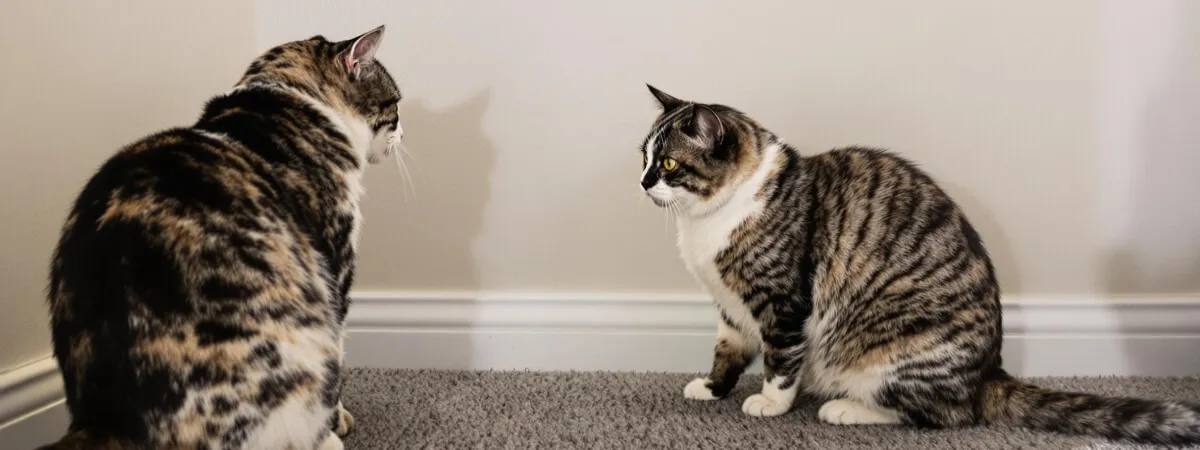
In homes with more than one cat, the dynamics can be complex and sometimes unpredictable. Cats might spray to signal that they’re not happy with the setup. Cats naturally work out their social order, and spraying is one way they do it. In multi-cat households, it’s common to see signs of tension or subtle challenges for dominance. For example, even neutered cats sometimes show surprising behaviors, like marking boundaries, which you can learn more about in cat behavior insights. Here are a few points to keep in mind:
- Multiple cats may feel the need to claim parts of the living space.
- Resource competition (food, water, litter boxes) can lead to stress.
- Uncertainty about rank and roles may trigger spraying as a claim to territory.
Establishing Territory
Cats use spraying as a tool to clearly show where they belong. This isn’t just random; it’s a system of signals aimed at letting others know which areas are taken. While spraying might seem like a straightforward marking behavior, it represents a mix of instinct and response to social pressure. Below is a simple table that presents common spraying behaviors and what they could mean:
| Behavior | Possible Reason | Note |
|---|---|---|
| Light spraying | Claiming a small area | Often seen when new cats enter a zone |
| Intense spraying | Dominance assertion | Can lead to more conflict in multi-cat setups |
| Minimal spraying | Content environment | More likely in stable households |
Conflict Resolution Among Cats
Sometimes, spraying is more than just marking; it’s a way of managing disagreements among cats. When a new cat is introduced or if one cat feels its space is being encroached upon, spraying might be a sign that the social balance is off.
In multi-cat environments, reducing conflict often starts with clear boundaries. Observing and slowly adapting the environment so every cat has enough resources can ease tensions.
A few strategies to resolve conflicts include:
- Watching the interactions closely over time.
- Providing extra resources like additional food bowls, litter boxes, and resting spots.
- Gradually introducing changes and using positive reinforcement to promote calm behavior.
By understanding this social hierarchy, cat owners can better address the root causes of spraying and nurture a more peaceful coexistence among their pets.
Understanding Your Cat’s Communication
Spraying as a Form of Communication
Cats don’t just spray for no reason—they use it as a way to send signals. When a cat sprays, they are marking their space, telling other cats or even humans that this area is familiar territory or that something is changed. This behavior can serve as a silent conversation of sorts.
Key points to remember:
- It’s a way to claim territory without direct confrontation.
- It can indicate feelings of insecurity or a need for more personal space.
- It sometimes happens when a new pet or person enters the mix.
Body Language and Spraying
Observing a cat’s body language gives valuable clues about what the spraying might mean. Sometimes, you might notice changes in posture or facial expressions that go along with the act of spraying.
Here are common body language cues to watch for:
- An arched back or puffed-up fur
- Ears turned back or flattened against the head
- Tail held high or twitched in anticipation
These signals help us understand that a cat might be stressed, excited, or even trying to assert itself. They offer a window into a deeper communication method that extends beyond just the spray itself.
Vocalizations and Spraying
In some cases, vocal signals accompany a cat’s spraying habits. Although not every cat will do this, some might let out low grumbles or short meows when they’re about to mark their territory.
Below is a quick table summarizing common vocal cues and what they might imply:
| Vocalization Type | What It Might Mean |
|---|---|
| Low growl | Alerting others or frustration |
| Hushed meow | Mild irritation or uncertainty |
| Short chirp | Expressing a mix of excitement and anxiety |
These sounds, while subtle, can give additional hints as to the mood of your cat during marking behaviors.
Sometimes, watching your cat closely in different situations can reveal a lot about what they’re trying to tell you. Listen and look for patterns, and you might just crack the code of their mood and comfort levels.
Long-Term Solutions for Spraying Issues
Creating a lasting change in a cat’s spraying behavior may take time and patience. Stick with a consistent plan and observe small changes.
Behavioral Training
This part is about teaching your cat better habits. You can use positive methods to reinforce good behavior. Start by avoiding punishment, and instead try rewarding your cat when it uses its litter box correctly. Here are a few steps to follow:
- Monitor your cat’s behavior closely.
- Offer small treats when it behaves well.
- Keep a short training log to track improvements.
Stay patient through the process, as progress often comes slowly.
Creating a Safe Environment
A secure home can help reduce spraying. Make sure your cat feels comfortable and less stressed. It might help to set up a quiet spot where your cat can relax undisturbed, with a predictable routine for feeding and play. Consider these adjustments:
- Provide quiet areas with cozy bedding.
- Keep a consistent feeding schedule.
- Arrange play sessions to simulate a calm atmosphere.
Regular Veterinary Check-Ups
Regular check-ups help catch any underlying health issues that might trigger spraying behavior. Keeping an eye on your cat’s health is key to long-term success. A basic check-up plan could look like this:
| Check-Up Type | Frequency | Notes |
|---|---|---|
| General Health | Every 6-12 months | Routine exam and weight check |
| Urinary Health | As needed | Follow up if spraying continues |
| Stress Evaluation | Case driven | In households with multiple cats |
These visits give your vet a chance to rule out medical problems that might be contributing to the behavior, and offer further tips for a better living space.
When to Seek Professional Help
Signs of Serious Behavioral Issues
Sometimes you might notice changes in your cat’s behavior that aren’t just a phase. If your cat starts spending more time hiding, repeatedly sprays in new areas, or shows signs of agitation, these can be alarms that something deeper is going on. Here are a few signs you might see:
- Increased aggression or anxiety
- Unexplained changes in litter box habits
- Reluctance to interact with family members
Such patterns can indicate that the spraying is more than just marking territory and might need professional review.
Consulting a Cat Behaviorist
When everyday solutions don’t work, a cat behaviorist might be the next step. This expert can help pinpoint triggers that cause your cat to spray and suggest adjustments to make your home more calm and friendly. A trained behaviorist can make a significant difference in understanding and correcting these behaviors.
It can be valuable to note observed patterns in your cat’s behavior to share with the specialist, which can guide them toward the right plan for your pet.
Veterinary Intervention
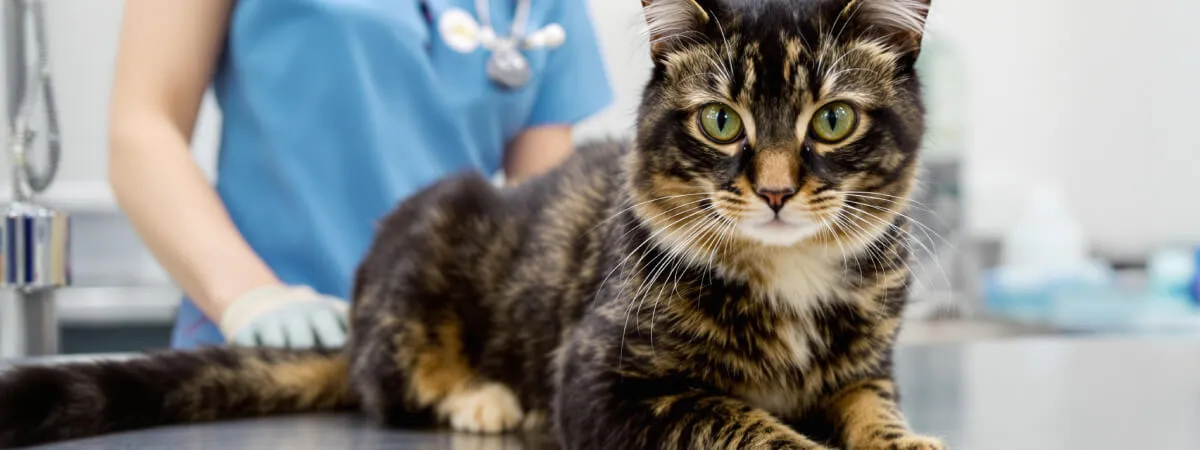
Sometimes, physical issues or stress could be behind the unwanted spraying. A direct veterinary intervention is often needed, especially if your cat has shown a sudden change in habits. A vet might recommend tests like blood work or urine analysis to rule out health problems. For instance, if your cat is scent-marking, it might be time to get a veterinary exam.
If behavioral adjustments and environmental changes haven’t helped, professional help can identify underlying medical issues or severe stressors. Always consider a full evaluation to make sure your cat stays happy and healthy.
Wrapping It Up: Neutered Cats and Spraying
So, can neutered cats spray? The answer is yes, but it’s not as common as with unneutered ones. Most of the time, neutering helps reduce this behavior, but it doesn’t completely eliminate it. If your neutered cat starts spraying, it’s usually a sign of stress or some other issue in their environment. Instead of getting mad at your furry friend, try to figure out what’s bothering them. Make sure they have enough resources, a clean litter box, and a stress-free space. With a little patience and understanding, you can help your kitty feel safe and happy, which should cut down on the spraying.
Frequently Asked Questions
What does it mean when a cat sprays?
Spraying is when a cat releases a small amount of urine on vertical surfaces to mark their territory or communicate with other cats.
Do only male cats spray?
No, both male and female cats can spray, although it is more common in unneutered males.
Can neutered cats still spray?
Yes, neutered cats can still spray, especially if they are stressed or feel threatened.
Why do cats spray?
Cats spray for various reasons, including marking territory, stress, or medical issues.
How can I tell the difference between spraying and urinating?
Spraying usually involves small amounts of urine on walls or furniture, while urinating outside the litter box is typically a larger puddle.
What should I do if my cat starts spraying?
First, check for stressors in their environment and ensure their litter box is clean. If the problem continues, consult a veterinarian.
Can stress cause a cat to spray?
Yes, changes in a cat’s environment or routine can lead to stress, which may cause them to spray.
Is there a way to stop my cat from spraying?
You can try environmental enrichment, behavior modification, and making sure their needs are met. Consulting a vet may also help.