
If you’ve ever noticed your male cat spraying around the house, you might be wondering what’s going on. Spraying is a common behavior in cats, especially males, and it can be confusing for pet owners. Understanding why male cats spray is crucial for addressing the issue effectively. In this article, we’ll explore the reasons behind this behavior and offer practical solutions to help manage it.
Key Takeaways
- Male cats spray for various reasons, including marking territory and attracting mates.
- Stress and anxiety can trigger spraying behavior in cats.
- Neutering can significantly reduce spraying in male cats, but some may still spray afterwards.
- Identifying the difference between spraying and normal urination is important for addressing the issue.
- Creating a calm environment and using proper cleaning methods can help reduce spraying incidents.
Understanding Cat Spraying Behavior
Normal Instinctive Behavior
Cats sometimes spray as part of their natural instincts—not because they’re trying to be naughty, but as a way to mark their space. This behavior is built into their nature. In many cases, a cat will stand upright and release a small burst of urine that serves as a signal to itself and others. Here are some things to note:
- Spraying is an innate way to test boundaries.
- It functions as a quiet form of communication.
- It can occur in moments of stress or excitement.
Territorial Marking
Especially among male cats, spraying is about claiming territory. They use this technique to signal their presence and establish a personal zone. When a cat sprays on vertical surfaces, it’s often leaving a subtle hint that says “this is my area.” Look out for these signs:
- Marking occurs more frequently during times of household change.
- It helps establish a defined space, sometimes becoming more frequent if new pets or people are introduced.
- The behavior can be observed in areas the cat finds important.
More on this cat marking pattern to see how these signals work in daily life.
Communication Through Smells
Spraying is not just about territory—it’s also a way for cats to send messages to others. Each spray carries unique chemical cues that can indicate a cat’s mood, identity, and even intent. This non-verbal language plays a big role in how cats communicate in their environment:
- It passes along information regarding social standing.
- Other cats learn about reproductive availability from these signals.
- In multi-cat homes, such cues help keep interactions in check.
Understanding these everyday behaviors is key to dealing with them effectively. When you get what your cat is trying to communicate, managing the situation becomes a lot simpler.
Common Causes of Spraying
Stress and Anxiety
A lot of male cats start spraying when their environment changes or when they feel unsettled. This behavior often shows up when there are sudden changes in the home. For example, moving to a new place, new family members, or even a rearranged living room can cause stress. You might notice signs of anxiety when your cat is close to cat behavior insights.
Here are a few common stresses:
- Change in household routine
- Unfamiliar smells or people
- Disruptions caused by new objects
A quick look at some key factors can help:
| Trigger | Explanation |
|---|---|
| New environment | Differences in space and smell |
| Social changes | Introduction of other animals/people |
| Routine disruption | Altered daily habits increase stress |
Cats often express their distress in unusual ways. When they spray, it’s a signal that something is off in their environment.
Attracting Mates
Spraying isn’t always about stress. In many cases, it’s linked to a cat’s instinct to attract mates. Male cats often mark territories to signal their presence. They leave behind scents that provide other cats with hints about their reproductive availability. In simple terms, this is a natural way for them to communicate their availability to potential partners.
Key aspects include:
- Scent marking that draws attention
- Displaying territorial behavior
- Increased activity in unneutered cats
Sometimes, the intensity of the smells is noticeable; these aromatic signals are part of their mating rituals.
Medical Issues
When a male cat begins spraying out of the blue or changes his usual behavior, it might not just be about territory or stress. Health problems, such as urinary tract infections or metabolic issues, can push a cat to mark more frequently.
- Urinary tract infections can lead to discomfort and unpredictable behavior
- Metabolic imbalances may change the scent of the urine
- Infections sometimes cause pain, inducing the cat to spray as a secondary reaction
Any change in spraying behavior might signal an underlying health condition, so always consider a vet visit.
By understanding these factors, you can better address the root cause of your cat’s behavior and support his overall well-being.
Do Male Cats Spray More Than Female Cats?

Gender Differences in Spraying
Male cats tend to mark territory more aggressively than females. Even though both genders spray, unaltered males are often more active in this behavior. Their urine not only marks the area but also carries potent chemical signals that can influence other cats’ behavior. In many cases, these cats exhibit higher pheromone levels which makes their markings more noticeable.
Neutering and Its Effects
Neutering can diminish a male cat’s drive to spray, though it doesn’t always eliminate the behavior completely. Some cats may continue to mark even after being fixed. Consider these points when evaluating your pet’s behavior:
- Reduced urge to establish territory
- Lower stress responses in stable environments
- Often less aggressive reactions
| Status | Male Cats Spraying Rate | Female Cats Spraying Rate |
|---|---|---|
| Intact | 60% | 40% |
| Neutered | 15% | 5% |
Neutering is a clear way to reduce but not completely stop spraying.
Behavioral Patterns in Males
Male cats often display consistent behavioral patterns when it comes to marking their boundaries. They may spray in response to new animals in the vicinity, adjustments in the home environment, or as a way to assert dominance. Here are a few common behaviors observed:
- Marking territory when unfamiliar pets are nearby.
- Showing increased alertness during household changes.
- Reacting to disruptions in their routine by reasserting boundaries.
Male cats can be especially sensitive to changes around them. Their marking behavior is not just about claiming space, but also about communicating their state of mind. Observing these behaviors can be key to addressing any underlying issues.
Signs Your Cat Is Spraying
Identifying Spraying vs. Urination
When you notice your cat leaving small, focused spots of urine on vertical surfaces rather than puddles on horizontal areas, it might be more than just a bathroom accident. When comparing cat spraying vs peeing, spraying usually involves a distinct posture—tail raised and slightly twisted—that signals marking behavior. Below is a simple table to help you see the difference:
| Aspect | Spraying Behavior | Normal Urination |
|---|---|---|
| Location | Walls, furniture, vertical surfaces | Litter box, floors |
| Quantity | Small, targeted spots | Larger volume |
| Posture | Tail raised, alert stance | Relaxed squatting |
Recognizing these differences can help you address the behavior early on.
If you observe patterns similar to spraying indoors, take note of the signals your cat is giving. Here are some quick pointers to keep an eye on:
- Consistent marking in multiple areas
- Choice of vertical surfaces for urine marks
- Presence of small droplets vs. a full puddle
Posture and Behavior
Often, your cat’s body language tells a unique story before they spray. You might see subtle shifts like a slight crouch or a sudden pause as your pet surveys its surroundings. Sometimes, the cat seems to oscillate between calm and alert states—this transition can indicate stress is at play.
Look for these behavioral signs:
- A raised tail with a slight arch
- Quick, repeated glances around the room
- A mix of restlessness and hesitation
Understanding the posture can help you intervene before unwanted marking becomes a habit.
Odor Characteristics
The smell that follows a spray is often more pungent than typical urine. Unlike the soft odor of normal urination, a spray carries a robust, musky scent that lingers and signals territory marking. If you notice that the odor remains strong even after cleaning, it’s a clear sign that your cat is making a deliberate statement.
Additional clues include:
- A layered and persistent scent
- Sharp, almost acrid notes that hint at territorial behavior
- A noticeable difference in odor intensity compared to regular bathroom use
Keep an eye on these details to effectively distinguish between an accidental spill and a deliberate spray. This awareness can guide you in choosing the right approach to manage and modify the behavior.
How to Address Spraying Issues
Spray behavior can be a tough issue, but with a bit of hands-on work, you can really make a difference. Here’s how to tackle it:
Cleaning Techniques
Start by taking off any noticeable marks. A good tip is to remove the residue as soon as you spot it. Use enzymatic cleaners because they work well on organic smells. Follow these steps:
- Blot the area to lift as much waste as possible.
- Apply the cleaner generously to break down stubborn odors.
- Let the area sit for the time recommended on the bottle before blotting dry.
If you need extra guidance, consider using a reliable product like cat spray cleaner for added support.
Creating a Stress-Free Environment
Lowering stress levels in your cat’s living space can help curb spraying triggers. Making sure your pet feels safe might just be the key. Try these ideas:
- Create calm zones using soft bedding and familiar scents.
- Reduce sudden loud noises or disruptions.
- Stick to a daily routine so your cat knows what to expect.
A calm home often leads to fewer stress-related behaviors. Even small adjustments can help your kitty settle in more comfortably.
Behavior Modification Strategies
The goal here is to gently steer your cat toward more acceptable behaviors. Instead of harsh corrections, reward calm and consistent actions. Here’s what you can do:
- Note the times and places where spraying happens to spot triggers.
- Introduce interactive play sessions to distract them during anxious moments.
- Provide praise or a small treat when your cat behaves appropriately.
Avoid harsh punishments as they can worsen the situation and damage trust.
By breaking down the issue into cleaning, environmental changes, and behavior training, you can take practical steps to stop the spraying problem from getting worse.
The Role of Neutering in Spraying
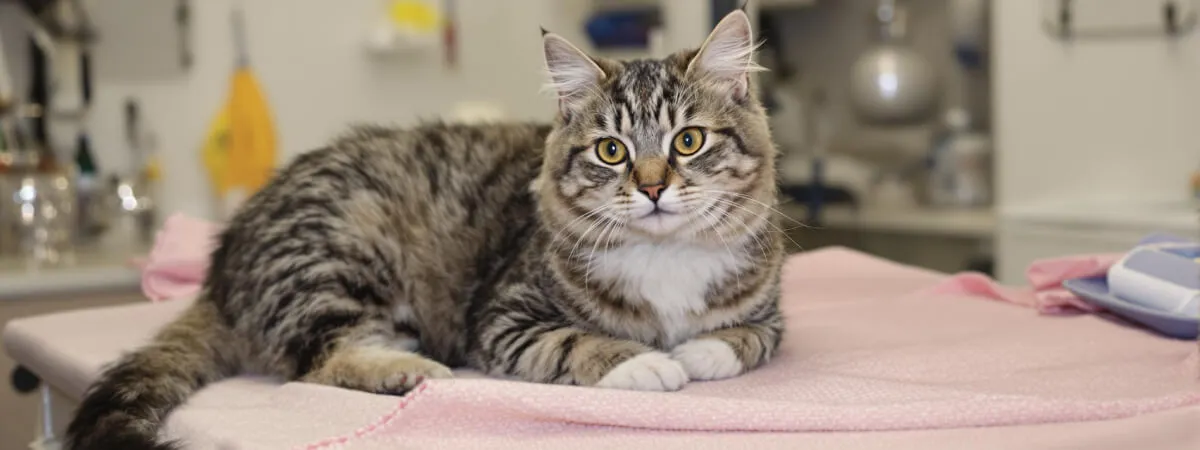
Neutering is often seen as a good fix for spraying, but it isn’t a magic solution in every case. To get a better handle on your cat’s behavior, it’s important to know how neutering affects spraying, what the numbers say, and when neutering might not solve the problem completely.
Impact on Behavior
Neutering usually calms down hormone-driven behaviors. When a male cat is neutered, his drive to mark territory often decreases. This change is not sudden, but many owners see a gradual reduction in spraying. Here are some common effects:
- Reduced territorial aggression
- Fewer instances of urine marking
- A calmer overall behavior
Neutering significantly lowers spraying behavior in most male cats. Still, keep in mind that stress or environmental issues can still lead to occasional spraying even after neutering.
Statistics on Neutered Cats
The numbers show that neutering can help a lot, but it doesn’t always stop spraying altogether. Below is a brief table summarizing some common figures:
| Cat Type | Spraying Rate |
|---|---|
| Neutered Males | 10% |
| Neutered Females | 5% |
These percentages show that while many cats improve, a small number may continue the behavior even after they are fixed. Be sure to find more cat facts & statistics here.
When Neutering May Not Help
There are situations where neutering might not curb the spraying. Sometimes, the behavior sticks around because of other factors:
- Stressful home environment: Changes like new pets, people, or rearranged furniture can upset your cat.
- Medical issues: Underlying health concerns may lead to behaviors that mimic spraying.
- Persistent territorial disputes: Even after neutering, a cat might feel the need to mark if they see another cat as a threat.
Sometimes, even after handling the hormonal side of things, environmental triggers or medical conditions can keep the behavior alive. In these cases, other interventions like stress reduction or vet visits become important.
Understanding these points helps in setting realistic expectations and indicates when additional steps might be necessary to help your cat.
Environmental Factors Influencing Spraying
Our cats can get pretty jumpy when the home environment shifts. There are times when even small changes alert them and spark spraying behavior. In this section, we look at how household dynamics, other pets, and new objects can set off your cat’s instinct to mark territory.
Changes in Household Dynamics
When people or routines change at home, your cat might feel unsettled. A new roommate, unexpected visitors, or even changes in daily routines can make them act out. This sudden shift in daily life can dramatically trigger marking behavior. Sometimes, even rearranging the furniture creates a sense of instability. It might be helpful to monitor these changes and give your cat a bit of extra calm and time to adjust. Also, consider checking out male cat spray for more insights on behavior related to territorial marking.
Presence of Other Pets
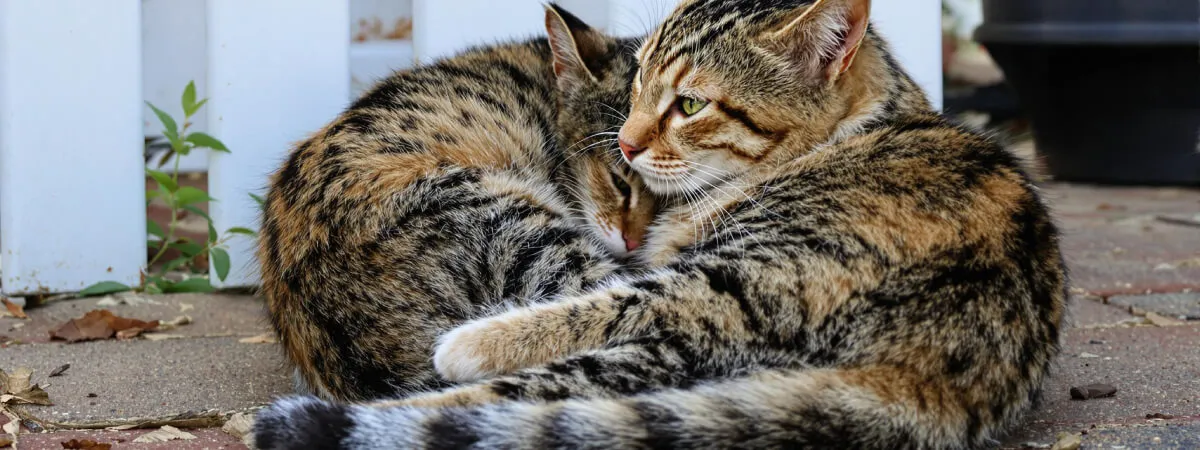
Introducing new animals or changes in pet hierarchy can turn your home into a battleground of scents. When another pet enters the scene, your cat might feel the need to stake out their territory. Here’s what to keep in mind:
- New pets can be a source of stress if the space is too crowded.
- Rival scents from neighborhood animals can elevate anxiety levels at home.
- Bringing in a pet with a strong personality might prompt defensive marking behavior.
Recognizing these cues early can help you manage the situation better and reduce the triggers that lead to spraying.
New Objects in the Home
New items don’t just change your décor—they also introduce unfamiliar smells and textures into your cat’s world. Even something as simple as a new piece of furniture can upset your cat. They might respond by spraying to mark their known territory.
This reaction is often a response to what they see as an invasion into their space. Here are a few points to remember:
- A fresh scent from a new object can feel like a threat to your cat’s routine.
- Overexposure to changes in the environment might make them anxious, leading to more frequent marking.
- Gradually introducing new objects can help ease your cat into the change.
Sometimes, resetting the environment slowly gives your cat the gentle push they need to feel secure.
Below is a quick table summarizing the effects of these environmental factors:
| Factor | Examples | Impact Level |
|---|---|---|
| Changes in Household | New roommates, shift in routines | High |
| Presence of Other Pets | Additional cats or unfamiliar animals | Medium |
| New Objects in the Home | New furniture, decorations, gadgets | Medium |
By watching for these triggers and making minor adjustments, you can help reduce the chances of your cat feeling the need to spray. Each step, even small ones, goes a long way in creating a calm and unified home environment for your pet.
Understanding the Difference Between Spraying and Urination
Understanding the distinctions between spraying and normal urination is vital if you’re trying to sort out your cat’s behavior. It might seem subtle, but the differences tell you a lot about what your cat is communicating (or not).
Physical Differences
Cats have distinct postures when they spray compared to when they simply urinate. For instance, when spraying, a cat usually raises its tail, sometimes with a slight quiver, and targets vertical surfaces like walls or furniture. Normal urination, however, happens when a cat squats and releases urine onto horizontal surfaces such as the floor or a soft rug.
Below is a small table outlining these differences:
| Aspect | Spraying | Urination |
|---|---|---|
| Surface | Vertical (walls, furniture) | Horizontal (floor, carpet) |
| Posture | Tail raised; minimal crouching | Squatted posture |
| Amount | Small targeted droplets | Larger volume, more spread out |
Notice that the strong odor typical of some male cats is highlighted by features like male cat scent, offering clues about behavioral motivations.
Behavioral Context
It isn’t just about the physical act; the behavior behind each is quite different. Spraying is often a message sent to other cats about boundaries, status, or as a territory declaration. In contrast, normal urination is just a biological function without any extra meaning. Here are some points that might help you see the behavior behind it:
- Spraying is usually deliberate and occurs in locations that mark territory.
- Urination is more about relieving the bladder and tends to happen in more practical spots.
- The behavior can change based on the cat’s mood and environment.
Sometimes, observing your cat’s body language (like tail position and posture) gives insight into whether they’re trying to communicate or simply going about business.
Health Implications
Checking the differences between these behaviors can also clue you in on potential health issues. For example, inconsistent changes in urine volume or unexpected odors might signal an underlying problem. Consider these aspects:
- Changes in the frequency and location of spraying could indicate stress or anxiety.
- Abnormal urination patterns might be a sign of a urinary tract problem.
- Consistent strong odor in sprayed urine sometimes points towards hormonal influences, which might be managed by neutering or a veterinary consult.
Pay attention to these signs, since they can help detect if the issue is behavioral or health-related.
Long-Term Solutions for Spraying Cats
It’s not an overnight fix when your cat sprays, but there are ways you can work on changes over time. Below are some strategies that have worked for many pet owners.
Behavioral Training
Helping your cat relearn the right way to mark their territory can be a game changer. Start by redirecting your cat with simple, positive actions:
- Reward your cat immediately when it uses an appropriate spot.
- Introduce a new scratching post or similar item near the problem area, so your cat associates that spot with something acceptable.
- Use toys and interactive play during times when your cat might be more likely to spray.
Patience and consistent practice are your best tools in making progress.
Veterinary Consultation
A checkup with your vet can really clear up confusion on why the behavior continues. Some cats spray because of underlying health issues or anxiety. Here are a few things to discuss with your vet:
- Ask whether a medical problem or pain might be causing the behavior.
- Explore whether anti-anxiety protocols or medications could help in your cat’s case.
- Discuss any observations you’ve made regarding your cat’s environment that might be stressing it out.
Environmental Enrichment
Adjusting your cat’s surroundings can help reduce stress and make your pet feel safer. Small changes can have a big impact. Consider these adjustments:
- Provide more litter boxes: one per cat plus an extra can minimize resource guarding stress.
- Create new play zones using climbing trees or interactive toys to keep your cat engaged.
- Designate quiet, safe areas where your cat can retreat when feeling overwhelmed.
Here’s a quick table to show some ideas and their benefits:
| Strategy | Approach | Benefit |
|---|---|---|
| Additional Litter Boxes | One per cat plus one extra | Reduces territorial conflict |
| Climbing Trees & Toys | Add vertical spaces and interactive play objects | Decreases tension and anxiety |
| Safe Zones | Set aside quiet rooms or corners | Improves overall comfort and happiness |
Making small, steady changes in your pet’s environment can gradually lead to a noticeable improvement in behavior.
Remember, a little patience goes a long way when it comes to training your cat over the long term.
Conclusion: Understanding Male Cat Spraying
In conclusion, dealing with a cat that sprays can be frustrating, but it’s important to remember that this behavior is often rooted in instinct and stress. Whether it’s marking territory or responding to changes in their environment, understanding the reasons behind the spraying can help you find effective solutions. Neutering can reduce the likelihood of spraying, but it’s not a guaranteed fix. If your cat starts spraying suddenly, a trip to the vet is a must to rule out any health issues.
Frequently Asked Questions
Do all male cats spray?
Not all male cats spray. Male cats spray to mark their territory or to attract mates. It’s a natural behavior for them.
Can both male and female cats spray?
Yes, both male and female cats can spray, but unneutered males are more likely to do so.
What should I do if my cat starts spraying?
If your cat sprays, clean the area with mild soap and try to make that spot less accessible to your cat.
Does neutering help with spraying?
Neutering can reduce spraying behavior, but some neutered cats may still spray.
How can I tell if my cat is spraying or just urinating?
Spraying usually involves small amounts of urine on vertical surfaces, while urination generally leaves larger puddles.
What causes stress in cats that might lead to spraying?
Changes in the home, like new pets or people, can stress cats and may lead to spraying.
Are there medical reasons for spraying?
Yes, medical issues like urinary tract infections can cause a cat to spray.
What are some long-term solutions to stop my cat from spraying?
Long-term solutions include behavioral training, consulting a vet, and enriching your cat’s environment.