If you’ve noticed your cat peeing everywhere but in the litter box, you’re not alone. This behavior can be confusing and frustrating for pet owners. Understanding the reasons behind it is crucial for finding a solution. From health issues to behavioral changes, several factors might be at play. Let’s explore the common causes and how you can address them effectively.
Key Takeaways
- Inappropriate urination can signal health problems, so a vet visit is essential.
- Litter box cleanliness and type can greatly affect your cat’s willingness to use it.
- Stress and anxiety can lead to changes in your cat’s bathroom habits.
- Environmental changes, like new pets or renovations, may disrupt your cat’s routine.
- Proper cleaning of accidents is key to preventing repeat behaviors.
Understanding Medical Issues Behind Inappropriate Urination
Identifying Urinary Tract Infections
Urinary tract infections (UTIs) in cats can trigger a sudden change in bathroom habits. When your cat starts peeing in odd places, it might be because they’re experiencing discomfort from a UTI. Common signs include a frequent urge to urinate, straining while peeing, and sometimes even blood visible in the urine. Here are a few indicators to watch for:
- Discomfort or pain during urination
- Increased frequency of trips to the litter box
- Changes in the appearance or smell of the urine
Below is a quick table summarizing key UTI symptoms:
| Symptom | Description |
|---|---|
| Frequent Urination | The cat attempts to pee more often than usual |
| Pain or Straining | Signs of discomfort or difficulty while urinating |
| Blood in Urine | May appear as a reddish tint in the urine |
A vet’s examination and basic urine tests can quickly pinpoint if a UTI is present.
Recognizing Kidney Problems
Kidney issues also can lead to unusual urination patterns. Problems with the kidneys might not be obvious at first, but they often sneak up with symptoms like increased thirst, lethargy, or even weight loss. Don’t ignore these subtle changes:
- Drinking more water than usual
- Reduced energy levels
- Unexpected changes in weight
Sometimes, a cat with kidney issues might seem just a little off. A detailed check-up can reveal problems before they become severe.
Understanding Diabetes in Cats
Diabetes in felines can also influence where and how often your cat pees. In diabetic cats, the body struggles with regulating glucose, which leads to excess thirst and, consequently, more urination. If you suspect diabetes, consider these steps:
- Monitor your cat’s water intake closely.
- Keep an eye out for changes in litter box habits.
- Bring any noticeable changes to your vet’s attention immediately.
Each of these medical conditions requires tailored treatment, so a timely veterinary consultation is key to getting your cat back to feeling normal.
Examining Litter Box Problems
Assessing Litter Quality
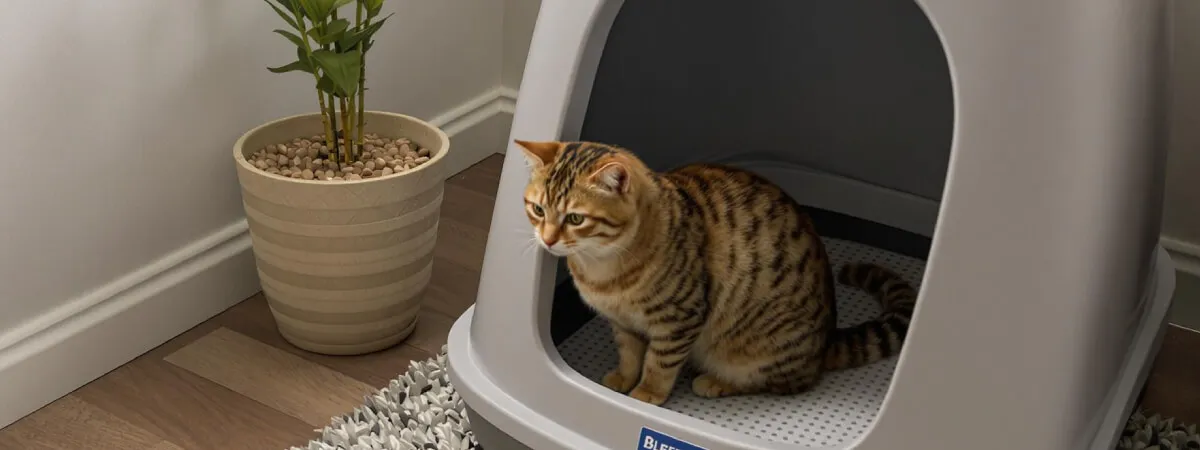
Getting the right litter is more than just a matter of smell. Cats are picky about texture and scent, and a change in the type of litter might make them avoid the box altogether. When checking quality, consider these tips:
- Try different textures such as clumping vs. non-clumping
- Look into unscented or lightly scented varieties
- Keep an eye out for any changes in your cat’s behavior when a new litter is introduced
Sometimes, even a slight tweak can make a big difference in whether your cat uses the box. A sudden dislike for the litter might mean it’s time for a change.
Evaluating Box Location
The placement of the litter box could be playing a significant role. Cats like quiet and private spots, so a box placed in a high-traffic area might not be as attractive. Think about these points:
- Is the box tucked away from noisy areas?
- Can your cat access it easily every time?
- Has there been any change in your home that might stress your cat?
A good location gives your cat a sense of security when they need to do their business, which can help prevent accidents elsewhere in the house. Consider relocating or adding another box in a calmer area if you notice issues.
Cleaning and Maintenance Needs
The upkeep of the litter box is more important than many people realize. A dirty box can drive your cat away, and cleaning routines are essential. Here’s a quick rundown of tasks and their frequencies:
| Task | What To Do | Frequency |
|---|---|---|
| Scooping Waste | Remove waste and clumps | Daily |
| Full Cleaning | Wash the box and replace all litter | Weekly |
| Deodorizing | Use a pet-safe cleaner to neutralize odors | As needed |
Keeping these tasks on track can help your cat feel comfortable and reduce accidents.
Keeping the box in a spot that matches your cat’s preferences and maintaining a clean environment can really turn things around.
In summary, slight changes in litter type, box placement, or cleaning routines might be all you need to solve the problem. Always pay attention to your cat’s reaction, and feel free to mix and match ideas until you find the right combination for your furry friend.
Exploring Behavioral Factors
When our cats begin to exhibit unwanted behaviors, it’s rarely about them being spiteful. It’s usually about underlying feelings that we might not see at first glance. Each cat can react differently to changes in their environment.
Identifying Stress Triggers
Cats are quite sensitive to changes in their routines or surroundings. Sudden household adjustments, like the arrival of a new family member or a shift in daily activities, can trigger discomfort. Here are some common stress triggers:
- Unfamiliar sounds and smells
- Changes in the household routine
- New additions to the family
Recognizing these triggers early can help you adapt your pet’s care, making their environment feel safer.
Understanding Territorial Marking
Many times, cats use urine to mark their space. In multi-cat households especially, each cat might try to claim their own territory, leading them to mark boundaries. Some key points include:
- Urine marking often happens when a cat feels their area is compromised
- Providing separate resources for each cat can reduce the behavior
- Adjustments in space can alleviate tension among pets
Taking small steps to ensure that each cat feels secure in their territory can make a big difference in managing unwanted behavior.
Recognizing Separation Anxiety
When left alone for extended periods, cats can experience anxiety which may result in inappropriate urination. Signs to watch out for include:
- Excessive vocalization or restlessness
- Changes in eating or litter box habits
- Clingy behavior when family members are around
A cat displaying signs of separation anxiety is likely trying to tell you that something in their routine isn’t working. Adjusting the schedule or spending a bit more time with them can help ease their discomfort.
Through understanding these behavioral factors, you can take more tailored steps toward improving your cat’s quality of life and minimizing stress-induced accidents.
Addressing Environmental Changes
When your home starts to change, your cat can get pretty thrown off. Exploring these shifts and their potential effects on your cat’s behavior can help in figuring out why they might be peeing outside the litter box.
Impact of New Pets
Bringing a new furry friend into your household means big changes. Cats are very set in their ways, and even a friendly new pet can make them feel crowded or scared. Here are some ways to ease the transition:
- Set up separate spaces so both pets have their own territory.
- Keep existing routines steady as much as possible.
- Give your cat extra quiet time to adjust to the new companion.
A calm environment is key to making your cat feel secure during these times.
Effects of Home Renovations
House upgrades or repairs can be more disruptive than you might imagine. Noisy tools, unfamiliar smells, or even just a re-arranged space can unsettle your cat. Consider how these changes might affect them:
| Renovation Type | Approximate Adjustment Days |
|---|---|
| Minor Repairs | 3-5 |
| Major Remodeling | 7-10 |
| Complete Makeover | 10-14 |
Notice that even minor work can throw a cat off, especially if they’re already timid about noise. Keeping a consistent setup for feeding and resting, away from the busy renovation zone, can help reduce their stress.
Changes in Daily Routine
Small shifts in your daily habits can send your cat into a tailspin. Whether it’s a new work schedule or visitors at odd hours, cats find comfort in consistency. Here are some steps to manage these routine changes:
- Adjust feeding times gradually so they match the new schedule.
- Make a list of activities that signal normalcy, such as playtime and quiet moments.
- Introduce any changes slowly to avoid overwhelming your pet.
It’s important to recognize and address stress in cats early on. A little patience and small steps can make a big difference in their everyday comfort.
Overall, the environment your cat lives in plays a big role in their behavior. Paying attention to shifts like new pets, home renovations, or changes in routine can help you pinpoint what might be triggering the unwanted behavior.
The Role of Cleanliness in Litter Box Use
Keeping the area around the litter is more than just a cosmetic task – it’s a key part of helping your cat feel at ease. Regular cleaning helps prevent accidents and even encourages proper litter training tips. Here’s a closer look at what to keep in mind:
Importance of a Clean Environment
Cats are naturally tidy and prefer to do their business in a spot that’s free of old waste. A clean setting reduces stress and the chance of your cat seeking out other, less appropriate places in your home. A spotless litter box makes a happy cat.
Below is a simple cleaning schedule to guide you:
| Task | Frequency | Notes |
|---|---|---|
| Scooping | At least twice daily | Remove clumps and solid waste |
| Deep Cleaning | Once a week | Empty, scrub out the box, and refill |
| Full Disinfection | Once a month | Use pet safe products to sanitize |
Maintaining this routine can help keep your cat comfortable and motivated to use the litter box.
Keeping Cat Paws Clean
Sometimes, what seems like a litter box issue is actually related to your cat’s paws. When paws get covered with old litter residue or even debris from their environment, they might avoid the box. Here are a few tips to care for their paws:
- Gently clean paws if they appear dusty or sticky
- Provide a soft mat near the litter box for paw cleaning
- Ensure that the litter is not too heavy or dusty
Pay attention to their comfort and, if needed, consider gently wiping their paws after play if you notice any buildup.
Dealing with Lingering Odors
Odors can linger and signal to a sensitive cat that it’s not safe to use the litter box. Removing smells quickly helps break the cycle of inappropriate urination. Try these simple steps:
- Scoop any visible waste promptly
- Use a pet-friendly deodorizer to neutralize smells
- Ventilate the area – a little fresh air goes a long way
Regular cleaning isn’t just about odor control—it also helps create a comfortable and welcoming space for your cat to do its business. This can make a big difference in their overall behavior and confidence.
Keeping the litter box and its surroundings clean might seem like a chore, but it’s a small effort compared to the relief it brings both you and your cat. With routines in place and attention to detail, your furry friend is more likely to stick with proper litter box habits.
Understanding Stress and Anxiety in Cats
Cats are creatures of habit. When something disrupts their usual routine, it might really upset them. In this section, we break down how to spot anxiety, what you can do about it, and ways to offer them a little refuge.
Signs of an Anxious Cat
You might notice changes in your cat’s daily behavior if stress is creeping in. Here are some common signs:
- Increased hiding or seeking out isolated spots.
- Changes in grooming behavior that might lead to a scruffy coat.
- Unusual urination habits, like peeing outside the box.
Often, a cat will show cat stress through sudden shifts in behavior. Cats cannot verbally tell you they’re anxious—but their behavior speaks volumes.
How to Reduce Stress
Reducing your cat’s stress often involves a few simple steps that help keep their daily life predictable:
- Stick with a regular feeding and playtime schedule.
- Engage in gentle play sessions with a variety of toys.
- Introduce calming products gradually, and consider a consult if things don’t change.
Maintaining tranquility in your home can make a difference. You can even keep track of your efforts with a simple table:
| Step | Activity | Expected Improvement Time |
|---|---|---|
| 1 | Consistent routines | 2-3 days |
| 2 | Calm play sessions | 1 week |
| 3 | Environmental adjustments | 1-2 weeks |
Creating a Safe Space
Offering your cat a quiet corner can help reduce their anxiety. Think about setting aside a space where your cat can retreat when things get too noisy or hectic:
- A room away from high traffic areas.
- A comfortable bed or blanket they already love.
- A few familiar toys to boost their confidence.
Giving your cat a designated shelter not only calms them but also reinforces a sense of security during stressful times.
By keeping these ideas in mind, you can help guide your furry friend through stressful periods. It’s all about small, consistent changes in the everyday environment.
The Importance of Veterinary Consultation
Veterinary professionals are there to help when your cat’s behavior suddenly changes. Don’t let small issues turn into bigger health problems.
When to See a Vet
If you notice signs like frequent urination or a change in your cat’s usual habits, it’s time you consider a professional check-up. Here are some indicators that you shouldn’t wait:
- Persistent accidents outside the litter box
- Signs of discomfort or pain while urinating
- A sudden change in behavior or activity levels
Acting early can prevent complications and save you extra worry later.
What to Expect During a Visit
During a visit, the vet will run through a series of tests and ask about your cat’s habits. A typical appointment might include:
- A physical examination to check for discomfort and signs of illness
- Urine tests to rule out infections or blockages
- Discussion of your cat’s history and any recent changes at home
The exam may feel a bit rushed at times, but every minute is meant to ensure your cat’s health is on track. The vet might have assistance from veterinary nurses, who are a key part of the process.
Regular check-ups can save lives, and working closely with your veterinarian gives you peace of mind. Make sure to talk through any concerns or observations you have about your pet’s behavior.
Follow-Up Care and Monitoring
After the initial visit, follow-up care is crucial. Whether the issue was minor or needs further treatment, here’s how follow-up care usually works:
- Scheduling regular check-ups to monitor your cat’s progress
- Adjusting treatment plans based on your cat’s response
- Keeping a log of any new symptoms or changes in routine
This ongoing care is vital to keep your cat comfortable and prevent future issues. Always keep a close eye on behavior changes and maintain open communication with your vet about any concerns you have.
Cleaning Up Accidents Effectively
When your cat has an accident outside the litter box, cleaning it up right away is a must. Not only does this help keep your home smelling fresh, but it also teaches your cat that those spots are off limits.
Best Cleaning Products
Start with products that break down the urine effectively. Look for cleaners that use an enzymatic formula. They work by breaking down the proteins found in cat urine, which regular cleaning solutions might miss. Here are a few options to consider:
- Enzyme cleaners designed specifically for pet stains
- Citrus-based sprays for a natural clean
- Multi-surface products for convenience
Using the right cleaner sets the stage for an odor-free recovery.
Techniques for Odor Removal
Once you’ve picked your cleaning products, follow these steps to remove the odor completely:
- Blot the area immediately with paper towels to soak up as much urine as possible.
- Apply your chosen cleaning solution generously over the area.
- Let the product sit for a few minutes (this gives it time to break down the stain).
- Wipe the area with a clean, damp cloth, and repeat if needed.
- Sprinkle a bit of baking soda over the affected spot once it’s dry to absorb any lingering odor.
Always remember, thorough cleaning is key to stopping your cat from returning to the same spot.
Preventing Future Incidents
To avoid recurring accidents, it’s important to change your trash cleaning habits and encourage proper litter box usage. Try these simple steps:
- Maintain a regular cleaning schedule for all litter boxes.
- Provide more than one litter box, especially in multi-level homes.
- Monitor your pet’s behavior to catch early signs of stress or illness that might trigger accidents.
Consistent cleaning not only helps maintain a fresh home environment, but also reinforces positive habits in your cat, reducing the chances of repeat accidents.
By staying on top of accidents as soon as they happen, you’ll help your cat relearn where it’s okay to go and keep your home welcoming for everyone.
Behavioral Modification Techniques
Training Your Cat to Use the Litter Box
Training your cat isn’t magic; it’s a series of simple steps that help them understand where to go. Start by placing the litter box in a quiet area and making sure it’s easy to access. Here are some things you can do:
- Introduce your cat to the litter box consistently each day.
- Encourage them to explore their space by placing them gently in the box after meals.
- Frequently clean the area to keep it appealing and stress-free.
A quick tip: urinary relief products can sometimes help calm other issues while you’re retraining your cat.
Using Positive Reinforcement
When your cat uses the litter box correctly, give them a small treat or gentle praise. Immediate, cheerful feedback matters a lot when teaching new behaviors. This method helps your pet connect the positive experience with the correct action. Consider these simple steps:
- Offer a snack immediately after they use the litter box.
- Use a soft tone to commend them, keeping the praise genuine.
- Mix in short play sessions as a reward.
The key is to keep the reinforcement short and clear, avoiding overwhelming your cat with too much stimulation at once.
Creating a Routine
A stable schedule helps your pet feel secure. By sticking to set times for feeding, play, and bathroom breaks, your cat gradually understands what to expect, easing anxiety and accidents. Establishing a routine can include:
- Feeding your cat at the same times every day.
- Regular litter box checks and cleanings to build consistency.
- Spots for quiet time that also help in forming daily rhythms.
You’ll see improvement over time. Using a simple table might help organize tasks:
| Task | Frequency | Benefit |
|---|---|---|
| Feeding | 2-3 times/day | Stabilizes digestion |
| Litter box cleaning | Daily | Reduces stress and odors |
| Play/Interaction | At least once/day | Strengthens the bond |
Remember, being patient and flexible goes a long way in helping them adjust. Sometimes, a calming environment makes all the difference. Enjoy the journey of getting closer to your pet, one small step at a time.
Understanding Aging and Its Effects
How Aging Affects Litter Box Habits
As cats age, simple routines like using the litter box can become a real struggle. They might have a harder time jumping into a deep box or climbing high sides because of stiff joints or muscle loss. Sometimes, even a small barrier feels like a mountain. Adjustments can help a lot, like choosing a box with lower sides or providing a gentle ramp.
Health Issues in Senior Cats
Aging can bring along a set of health challenges. Older cats might suffer from arthritis, kidney concerns, or changes in their bladder control. This not only makes using the litter box harder but might also lead them to look for more accessible alternatives. Monitoring these signs early can save a lot of stress later on. For guidance on managing these specific conditions, you might want to check out senior cat health, which offers practical tips and advice.
Adjusting Care for Older Cats
Taking care of a senior cat means making simple changes that can have a big impact. Here are some ways to adjust your care routine:
- Provide easier access to the litter box by placing it in a low-traffic, nearby area.
- Upgrade to a litter box with lower walls or add a ramp for improved accessibility.
- Keep the area calm to reduce stress and encourage consistent use.
Remember, small changes can lead to a more comfortable life for your aging cat, allowing them to maintain their routine without extra strain.
While these adjustments might seem minor, they can significantly improve the daily lives of older feline friends. Additionally, a keen eye on any changes in behavior can help you act quickly if a health issue arises. Finally, a little extra care goes a long way in making sure your pet stays happy and healthy as they age.
Exploring Alternative Solutions
When a cat is having issues with their litter habits, sometimes trying an alternative approach can make all the difference. In this section, we look at three different solutions that can help reset your cat’s routine.
Using Cat Attract Litter
Cat attract litter is designed with additives that encourage your cat to use the box. It’s a simple yet effective change if your furry friend has been avoiding the litter box. Here are a few tips to consider:
- Check the ingredient list to ensure your cat doesn’t have any sensitivities.
- Introduce the new litter slowly by mixing it with the old type.
- Monitor your pet’s response over a couple of weeks.
A change in litter can sometimes change the game.
Trying Different Litter Box Designs
Sometimes the shape, size, or design of a litter box can be the culprit. Cats can be picky about their surroundings, and even small alterations can make a difference. Consider these factors:
- Innovative designs might offer better privacy or easier cleaning.
- Open vs. covered boxes can affect ventilation and comfort.
- Automatic self-cleaning models may reduce scent buildup and stress.
Below is a small table outlining some popular litter box designs:
| Box Type | Key Feature | Best For |
|---|---|---|
| Open Litter Box | Easy access, visibility | Active, curious cats |
| Covered Litter Box | Increased privacy | Shy or anxious cats |
| Self-Cleaning Box | Automated maintenance | Busy households |
Remember, even small design tweaks can lead to big improvements in how your cat views their space. It might also be helpful to look at urinary care information to make sure there are no underlying issues affecting behavior.
Consulting with Animal Behaviorists
Sometimes adjusting products isn’t enough and it’s time to seek expert advice. An animal behaviorist can help pinpoint triggers and design a plan that works with your cat’s natural habits.
Consider these steps before scheduling a consultation:
- Keep a daily log of your cat’s behavior and incidents.
- Identify any sudden changes in your cat’s environment.
- Talk to your vet and consider a referral for behavioral consultation.
There are times when an outside perspective can reveal hidden patterns and triggers that might be missed at home.
By taking these steps, you can create a better environment for your cat while addressing both the symptoms and the root cause of the problem. Remember, small changes can lead to a big shift in behavior.
Final Thoughts
So, if your cat is suddenly peeing all over the place, it’s a sign that something’s off. It could be a health issue, a dirty litter box, or even stress from changes at home. Whatever the reason, it’s important to get to the bottom of it. Don’t ignore the signs; your furry friend is trying to tell you something. A trip to the vet can help rule out any medical problems, and from there, you can figure out how to make things right. Remember, with a little patience and care, you can help your cat get back to using the litter box like they used to.
Frequently Asked Questions
Why does my cat pee everywhere?
If your cat is peeing outside the box, it could be due to medical issues, litter box problems, stress, or behavioral habits.
What medical issues could cause my cat to urinate inappropriately?
Common medical problems include urinary tract infections, kidney disease, or diabetes.
How can I tell if my cat has a urinary tract infection?
Signs of a urinary tract infection include frequent urination, straining to pee, or blood in the urine.
What should I do if my cat’s litter box is dirty?
Make sure to clean the litter box regularly and change the litter to keep it fresh and appealing.
How can stress affect my cat’s bathroom habits?
Changes in the environment, new pets, or loud noises can make your cat feel anxious and lead to inappropriate urination.
What can I do to help my anxious cat?
Creating a safe space, maintaining a routine, and providing toys can help reduce your cat’s stress.
When should I take my cat to the vet for urination issues?
If your cat is peeing outside the box frequently, it’s important to see a vet to rule out medical problems.
What cleaning products work best for cat urine?
Use enzymatic cleaners specifically designed for pet urine to effectively remove odors and stains.